The Future of Cooling And Heating Employees: What You Need to Learn About Work Opportunities
The cooling and heating market is undertaking considerable improvement, affected by innovations in technology and an expanding focus on sustainability. As energy-efficient systems gain grip, the demand for experienced workers is anticipated to rise. Future heating and cooling experts will need to adjust to these modifications. Recognizing arising trends and important abilities will certainly be essential for those looking to thrive in this evolving landscape. What might these shifts suggest for job possibilities in heating and cooling?
Emerging Patterns in the Cooling And Heating Industry
As the demand for power efficiency and sustainability grows, arising patterns in the heating and cooling sector are reshaping just how specialists approach their job. The assimilation of clever modern technologies is at the forefront, with smart systems permitting for real-time surveillance and control of heating and cooling procedures. This shift not just enhances comfort yet additionally markedly minimizes power usage. Additionally, making use of environmentally pleasant refrigerants is obtaining traction, in action to regulatory changes and a cumulative push in the direction of greener alternatives.
Flexible and modular Cooling and heating systems are ending up being more popular, enabling easier installment and modification to satisfy details needs. Training and certification in these advanced technologies are vital for HVAC professionals to stay affordable in the advancing market. On the whole, these fads signify a transformative period for the industry, emphasizing the relevance of innovation and versatility in securing future job chances for cooling and heating employees.
Crucial Abilities for Future HVAC Professionals
Proficiency in crucial skills is necessary for future cooling and heating specialists navigating a quickly progressing market. Technical acumen in locations such as refrigeration, electric systems, and thermodynamics remains foundational. Expertise of modern cooling and heating modern technologies, including wise systems and automation, is significantly considerable as structures end up being much more interconnected.
Furthermore, strong troubleshooting abilities allow experts to identify and settle concerns effectively, minimizing downtime and enhancing consumer fulfillment (HVACJobsOnly). Interaction abilities are additionally important, as specialists have to commonly clarify intricate concepts to clients and work together with various other trades
In addition, an understanding of safety methods ensures that heating and cooling employees can perform their tasks without compromising safety standards. Adaptability is vital, as the sector remains to develop with brand-new regulations and innovations.
The Influence of Power Effectiveness and Sustainability
While the demand for HVAC solutions proceeds to grow, the emphasis on power performance and sustainability has transformed the sector landscape. As climate adjustment concerns increase, both consumers and regulative bodies are prioritizing eco-friendly remedies. This shift has resulted in raised adoption of innovative innovations such as clever thermostats, variable refrigerant flow systems, and energy-efficient devices. Cooling and heating professionals are now needed to possess understanding of these advancements and their installation procedures.
Businesses are incentivized to adopt energy-efficient systems via tax obligation debts and discounts, further boosting demand for experienced employees that can apply and keep these options. As firms look for to minimize operational costs and improve their ecological impact, the role of heating and cooling specialists is developing. Understanding lasting methods not only improves their marketability yet likewise positions them as vital contributors to a greener future, ensuring a crucial function in the ongoing change towards energy-efficient building methods.
Occupation Advancement Opportunities in Cooling And Heating
Many career innovation possibilities exist within the cooling and heating market, mirroring its dynamic nature and growing need for experienced experts. Entry-level technicians can proceed to specialized functions, such as installation professionals, solution managers, or system designers his response - HVAC Jobs Only jobs. As they gain experience and accreditations, workers can move into supervisory placements, managing procedures and teams
Continuing education is crucial, with several experts seeking innovative certifications from organizations like the cooling and heating Excellence or the Refrigeration Service Engineers Culture. These credentials can improve job leads and potential incomes.

In addition, the surge of environment-friendly modern technologies uses opportunities for heating and cooling workers to concentrate on energy-efficient systems, further broadening their profession paths. Opportunities additionally exist in sales and customer support, where technological expertise enhances client connections. As a result, the heating and cooling field not only provides a secure job yet additionally cultivates growth and advancement, encouraging individuals to increase their abilities and knowledge consistently.
The Role of Innovation in Shaping Cooling And Heating Jobs
As modern technology proceeds to progress, its effect on cooling and heating work ends up being significantly noticable, transforming just how specialists approach setup, upkeep, and repair service jobs. Automation and wise systems have actually revolutionized traditional techniques, permitting professionals to from another location monitor devices and detect issues with accuracy. These innovations not only boost effectiveness but additionally lower downtime, inevitably profiting both clients and employees.
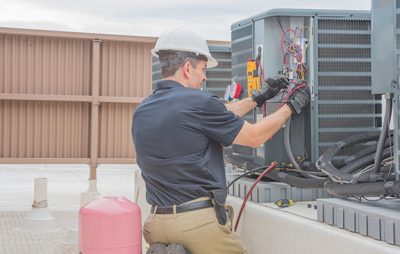
Additionally, the development of renewable resource technologies, such as geothermal and solar systems, is increasing work chances in the a/c sector. The role of modern technology is not simply a tool for improvement however a catalyst for growth and technology within the industry.
Frequently Asked Inquiries
What Is the Average Income for HVAC Workers in 2023?
In 2023, the ordinary salary for heating and cooling employees in the United States is roughly $50,000 annually - HVAC Jobs Only. Variables such as specialization, location, and experience can substantially affect private incomes within this profession
Exist Job Opportunities in HVAC for Entry-Level Employees?
Yes, there are work possibilities in cooling and heating for entry-level workers. Numerous business seek individuals ready to discover, giving training programs and apprenticeships. This industry continues to broaden, offering different roles for newcomers in the market.
Exactly How Does Accreditation Influence HVAC Job Leads?
Certification significantly boosts a/c task prospects by showing proficiency and commitment to the field. Companies usually favor licensed prospects, viewing them as even more qualified, which can bring about enhanced opportunities and possibly higher wages for licensed service technicians.
What Geographical Areas Have the Highest Possible Demand for Cooling And Heating Employees?
The highest need for cooling and helpful hints heating employees generally exists in urban areas with severe environments, such as the Southwest and Northeast United States. Quick population growth and industrial expansion additionally contribute to enhanced job possibilities in these areas.
What Prevail Career Paths Within the HVAC Market?

The Heating and cooling industry is undergoing significant transformation, affected by improvements in modern technology and a growing focus on sustainability. As the need for energy efficiency and sustainability expands, arising patterns in the Heating and cooling industry are improving how experts approach their job. Efficiency in crucial abilities is imperative for future Heating and cooling specialists steering a quickly developing industry. Many profession development possibilities exist within the Heating and cooling industry, mirroring its vibrant nature and growing need for proficient specialists. Common occupation paths within the A/c sector include installation service technicians, solution technicians, system style designers, sales representatives, and HVAC upkeep supervisors.